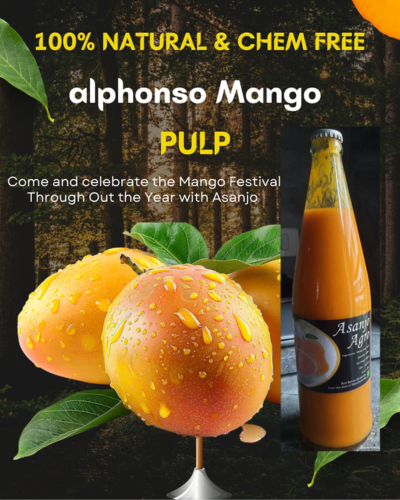
Mango Pulp Quality Without Chemical, Pesticide, or Fertilizer Tests
3 Natural and Reliable Ways for Safe Consumption
Mango pulp is one of the most popular fruit products used across households, restaurants, juice manufacturers, bakeries, and food processing industries. With rising awareness about food safety, many consumers and buyers are now concerned about chemical residues, pesticide use, and artificial farming practices. This has increased the demand for understanding Mango Pulp Quality Without Chemical, Pesticide, or Fertilizer intervention.
While laboratory testing is the most accurate way to confirm food safety, it is not always accessible for everyday buyers. Fortunately, there are simple, natural methods that can help identify mango pulp quality before consumption—without using any chemicals, pesticides, or fertilizer-related tests.
Below are three practical and natural ways to check mango pulp quality that anyone can follow.
1. Visual Inspection: Color, Texture, and Consistency
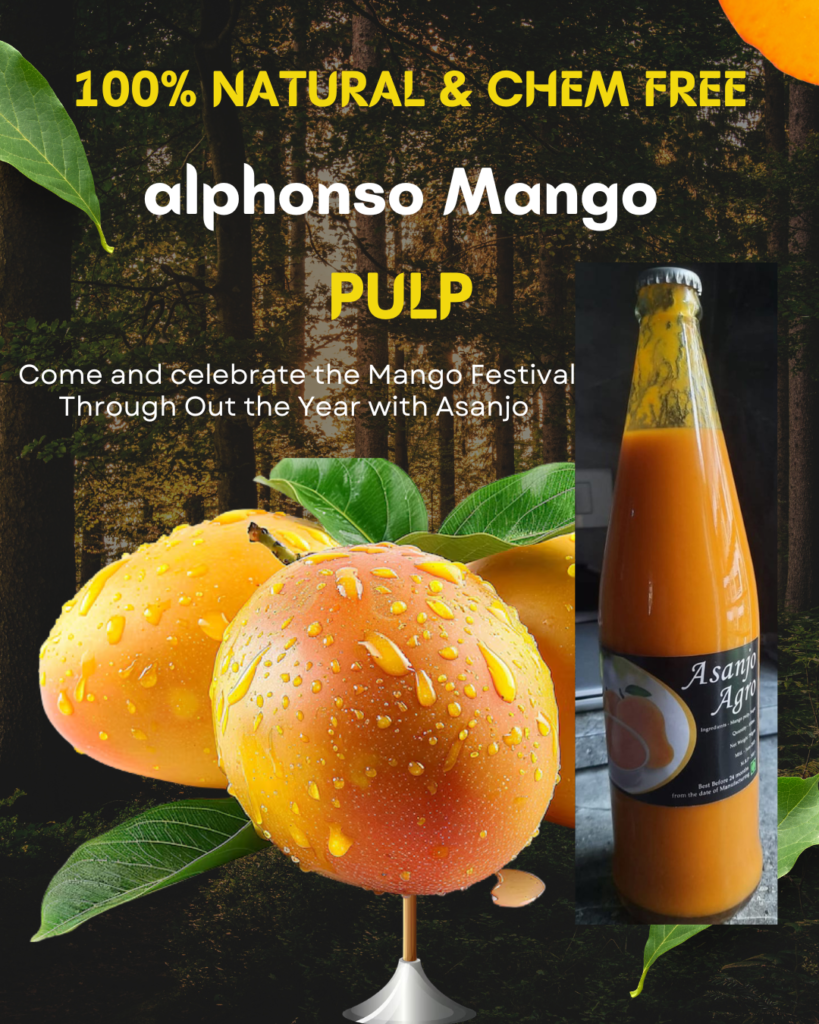
The first step in evaluating mango pulp quality is careful visual observation. Naturally produced mango pulp reflects the original characteristics of the mango variety used, such as Alphonso, Kesar, or Totapuri.
Characteristics of High-Quality Mango Pulp:
- Natural golden-yellow to deep orange color
- Smooth and thick consistency
- Uniform texture with no lumps
- No excessive liquid separation
Mango pulp made without chemical ripening agents or artificial additives always looks rich and natural rather than overly bright.
Warning Signs of Poor Quality:
- Unnaturally bright or fluorescent color
- Watery or runny texture
- Visible separation of pulp and liquid
- Grainy or inconsistent appearance
These signs may indicate artificial coloring, dilution, or excessive processing, which affects Mango Pulp Quality Without Chemical, Pesticide, or Fertilizer standards.
2. Smell and Taste Test: Trust Your Natural Senses
Your senses play a vital role in identifying authentic mango pulp quality. Mango pulp prepared from naturally ripened mangoes carries a distinct fruity aroma and balanced taste.
What Good Mango Pulp Should Smell and Taste Like:
- Fresh mango fragrance
- Natural sweetness without sharpness
- Mild tanginess depending on mango variety
- Clean taste with no lingering aftertaste
Red Flags to Watch For:
- Artificial or chemical-like smell
- Overly sweet or syrupy taste
- Bitter, sour, or metallic aftertaste
- Flat or flavorless pulp
If mango pulp tastes too uniform or overly intense, it may indicate the use of artificial flavoring or sweeteners. Authentic Mango Pulp Quality Without Chemical, Pesticide, or Fertilizer always delivers a natural and slightly variable taste profile.
3. Water Mixing and Settling Test (Chemical-Free Method)
This is one of the easiest and most effective household tests to check mango pulp purity.
How to Perform the Test:
- Take a transparent glass of clean water
- Add one spoon of mango pulp
- Stir gently and allow it to settle for one to two minutes
What to Observe:
- Natural pulp dissolves slowly
- Pulp particles settle evenly at the bottom
- Water turns mildly cloudy, not foamy or oily
Signs of Adulteration:
- Excessive foam formation
- Oily layer floating on the surface
- Instant artificial coloring
- Sticky residue in water
Pure mango pulp does not contain emulsifiers or stabilizers that behave unnaturally in water. This test helps confirm Mango Pulp Quality Without Chemical, Pesticide, or Fertilizer influence.
Why Checking Mango Pulp Quality Matters
Understanding mango pulp quality is not just about taste—it directly impacts health, nutrition, and trust. Mango pulp free from chemical residues offers:
- Better nutritional retention
- Authentic mango flavor
- Safer consumption for all age groups
- Higher confidence for retailers and food brands
For food businesses, selling mango pulp that meets Mango Pulp Quality Without Chemical, Pesticide, or Fertilizer expectations enhances brand reputation and builds long-term customer loyalty.
Tips for Buying High-Quality Mango Pulp
- Choose trusted manufacturers with transparent sourcing
- Look for minimal ingredient labels
- Avoid pulp with added artificial colors or flavors
- Check packaging integrity and shelf-life details
- Prefer pulp made from naturally ripened mangoes
Final Thoughts
Knowing how to check Mango Pulp Quality Without Chemical, Pesticide, or Fertilizer empowers consumers to make safer and more informed choices. While laboratory testing is important for regulatory compliance, these three natural methods—visual inspection, smell and taste, and water settling—provide quick and practical quality checks.
High-quality mango pulp does not rely on artificial enhancement. When mangoes are grown responsibly, ripened naturally, and processed hygienically, the result is pure, flavorful, and trustworthy mango pulp—just as nature intended. 🥭
To know more about this contact us https://asanjoagro.com/contact/https://asanjoagro.com/contact/